
Looking for practical ways to make your small living room feel stylish, comfortable, and spacious without spending a fortune?
How Can I Decorate A Small Living Room On A Budget?
You can transform a small living room into a comfortable, attractive space without breaking the bank. This guide walks you through planning, layout, color, furniture choices, lighting, storage solutions, DIY projects, shopping strategies, and common mistakes to avoid so you can get the most impact for your budget.
Start with a Plan
You’ll save time and money if you begin with a clear plan. Measure your room, decide on primary activities, and set a realistic budget before buying anything.
- Take accurate measurements of floor area, ceiling height, windows, doors, and any radiators or built-ins.
- Decide how you’ll use the room—TV and movie watching, reading, entertaining, or a multipurpose space.
- Set priorities: what’s most important (seating, storage, lighting) and what can wait.
Measure and Map Your Space
A simple floor plan prevents buying pieces that don’t fit. You’ll avoid returns and extra trips by mapping the room first.
- Sketch the room to scale on graph paper or use a free online room planner.
- Note traffic flow and leave at least 30–36 inches for main walkways.
- Consider vertical measurements for tall pieces and clearance for doors and cabinets.
Measurement Cheat Sheet
Use this quick reference to guide furniture choices and clearances so your small room doesn’t feel cramped.
| Item | Recommended Clearance/Size |
|---|---|
| Main walkway | 30–36 inches (76–91 cm) |
| Between sofa and coffee table | 14–18 inches (35–46 cm) |
| Sofa depth | 30–40 inches (76–102 cm) |
| TV height (center) | Eye level when seated (~42 inches / 107 cm from floor) |
| Rug size for small seating area | At least 4×6 ft or 5×8 ft depending on layout |
| Floating furniture from wall | 1–3 inches for airflow or as needed for scale |
Choose a Budget and Prioritize
Decide how much you’re willing to spend overall and divide it into categories. You’ll get better results by investing in a few high-impact items while saving on low-impact decor.
- Allocate portions for furniture, paint, lighting, textiles (curtains, rugs, cushions), storage, and accessories.
- Prioritize big-ticket items that affect function (sofa, lighting) and save on accents.
Sample Budget Breakdown
Adjust percentages to match your budget and priorities so you know where to splurge and where to save.
| Category | Percentage of Budget | Notes |
|---|---|---|
| Main seating (sofa/sectional) | 30–40% | Consider secondhand or slipcovered options |
| Lighting | 10–15% | Good lighting changes the whole room |
| Paint/wall treatment | 5–10% | Affordable, high-impact refresh |
| Rug & textiles | 10–15% | Tie the room together |
| Storage & shelving | 10% | Multi-use furniture adds value |
| Accessories & art | 5–10% | Small touches finish the room |
| Misc/contingency | 5% | For unexpected needs |
Pick a Compact Layout
You’ll use space more efficiently with an intentional layout. Smaller pieces and clever placement will keep the room functional and airy.
- Consider an L-shaped layout using a slim sofa and a small accent chair.
- Floating furniture from walls creates flow and gives the illusion of more space if done with care.
- Use corners for seating, plants, or a small desk if you need multi-functionality.
Small Living Room Layout Options
Here are common layouts with pros and cons to help you choose what fits your lifestyle.
| Layout | Best for | Pros | Cons |
|---|---|---|---|
| Single sofa + 1 chair | TV watching, conversation | Simple, compact, easy traffic flow | Limited seating for guests |
| Two small loveseats facing | Socializing, TV | Balanced look, decent seating | Requires enough room for two pieces |
| Corner sectional | Maximizes seating, cozy | Efficient use of corner space | Can overwhelm very small rooms |
| Floating furniture island | Open-plan living | Creates conversation area, multi-directional use | Needs adequate floor space |
| Built-in bench seating | Small spaces with windows | Adds storage and seating | Permanent or semi-permanent alteration |
Work with Color and Finishes
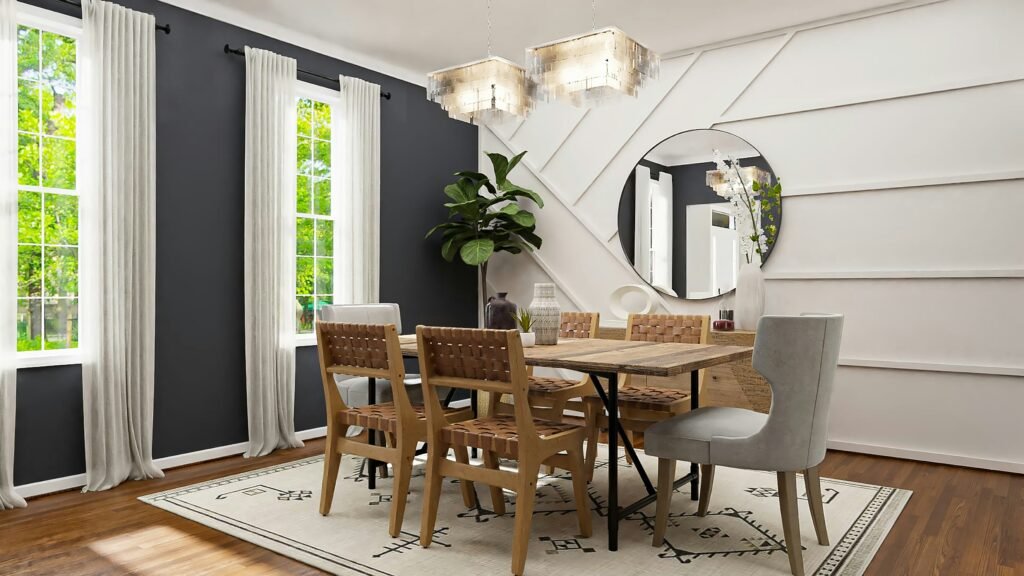
Color drastically impacts how big or small a room feels. You can achieve big visual changes with paint and finishes that are low-cost.
- Light, neutral colors on walls make the space feel larger and brighter.
- Use a limited palette of 2–3 colors plus neutrals to avoid visual clutter.
- Add contrast through accessories and a focal wall if you want depth.
Color Tips for Small Rooms
You’ll create visual cohesion and perceived space by being deliberate with color choices.
- Ceiling: Paint the ceiling a shade lighter than the walls to raise perceived height.
- Trim: Keep trim bright and crisp to frame the room neatly.
- Accent wall: If you add one, keep it subtle or use vertical stripes to increase perceived height.
- Reflective finishes: Satin paints and glossy accessories can bounce light but use sparingly.
Scale Furniture Appropriately
Choosing the right scale is one of the most cost-effective ways to make a small room comfortable. You’ll get more usable space by picking pieces that fit the room’s proportions.
- Avoid oversized sofas; choose a loveseat, apartment sofa, or chaise with slimmer arms.
- Pick furniture with legs to create visible floor space underneath, which makes the room feel larger.
- Consider armless chairs and nesting tables to maximize flexibility.
Furniture Scale Comparison
This table helps you evaluate options based on size, comfort, and budget.
| Piece | Size Impact | Comfort | Budget-friendly options |
|---|---|---|---|
| Apartment sofa | Low–medium | Comfortable for 1–2 | Secondhand, slipcovers |
| Slim-profile sectional | Medium | Good for lounging | Modular or used buys |
| Loveseat | Low | Cozy for 2 | Thrift or budget retailers |
| Armless chairs | Low | Space-saving | DIY reupholster, thrift |
| Nesting coffee tables | Low | Functional, flexible | Repurpose stools or crates |
Invest in Multi-Functional Furniture
You’ll get the highest value per dollar with pieces that serve multiple purposes. These reduce clutter and free up floor space.
- Storage ottomans or coffee tables with hidden compartments store remotes, throws, and magazines.
- Sofa beds or daybeds let you accommodate overnight guests without a separate room.
- Narrow console tables that double as desks or media centers give flexibility.
Use Lighting to Expand the Room
Good lighting is essential and can be affordable. You’ll change the mood and perceived size of your room by layering light.
- Combine ambient (general), task (reading/work), and accent (art/features) lighting.
- Use wall sconces or floor lamps to free up table space and avoid bulky overhead fixtures.
- Choose warm white bulbs (about 2700–3000K) for a cozy feel or cooler whites for a bright, modern look.
Lighting Layering Example
Layering light helps you control function and atmosphere in one small space.
| Layer | Purpose | Budget tip |
|---|---|---|
| Ambient | General illumination | Use a central flush mount or a bright floor lamp |
| Task | Reading, working | Clip-on lamps, inexpensive desk lamps |
| Accent | Highlight art, create depth | LED strip lighting or inexpensive picture lights |
Add Mirrors to Create Depth
Mirrors reflect light and visually double your space when placed strategically. You’ll get big impact from relatively inexpensive pieces.
- Place a large mirror opposite a window to amplify natural light.
- Use a gallery of smaller mirrors as wall art to create interest and brightness.
- Lean a full-length mirror against a wall for a casual, stylish look.
Choose Rugs and Textiles Carefully
Rugs and textiles anchor a room and add warmth. You’ll make the space feel intentional by choosing the right size and texture.
- Use a rug that’s large enough to define the seating area—small rugs can make a room feel disjointed.
- Choose lighter-colored rugs with low- to medium-pile for easier maintenance.
- Layer textures with cushions and throws to add depth without clutter.
Window Treatments That Add Height
Window treatments influence both light and perceived height. You’ll maximize vertical space by how you hang curtains.
- Mount curtain rods just below the ceiling line to make the room feel taller.
- Use floor-length curtains and keep them slightly off the floor for a polished look.
- Choose lightweight fabrics to let light through while still providing privacy.
Declutter and Edit Your Stuff
Decluttering is the most budget-friendly makeover you can do. You’ll open up space and make existing decor look intentional by editing what you own.
- Keep surfaces mostly clear and store items in designated bins or baskets.
- Rotate decor seasonally to keep things fresh and avoid overcrowding.
- Use baskets, trays, and hidden storage to reduce visual clutter.
Smart Storage Solutions
Small spaces require smart storage. You’ll feel more relaxed when everything has a place.
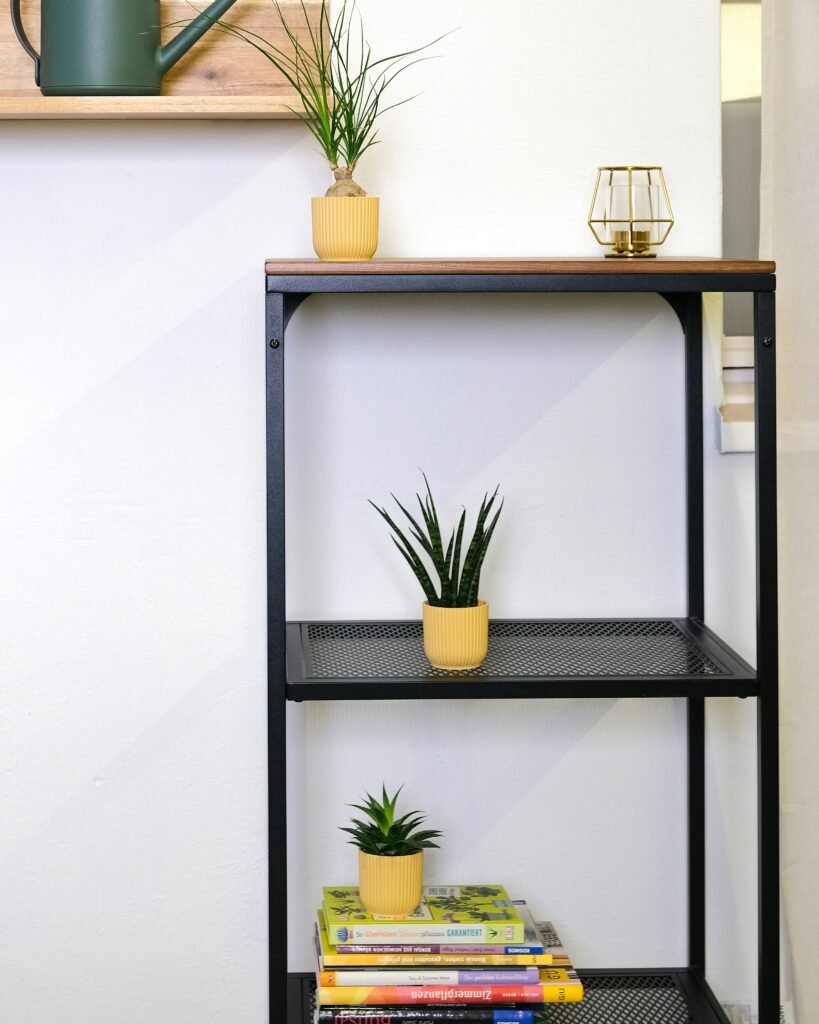
- Vertical shelving uses wall space without eating floor area.
- Use furniture with built-in storage—ottomans, nested tables, bench seats, and media units with cabinets.
- Hang floating shelves for books and decorative items to keep floors clear.
Storage Ideas Table
This table gives you several low-cost storage ideas to fit different needs and budgets.
| Solution | Best for | Cost Level | Shelf life / Durability |
|---|---|---|---|
| Floating shelves | Books, small decor | Low | Moderate (depends on installation) |
| Storage ottoman | Blankets, remotes | Medium | High |
| Wall-mounted cabinets | Closed storage | Medium | High |
| Baskets and bins | Toy/toiletry wrangling | Low | Moderate |
| Over-door organizers | Shoes, small items | Low | Low-moderate |
DIY Upgrades That Look Expensive
You can accomplish noticeable changes with simple DIY projects. You’ll increase perceived value without paying pro rates.
- Paint or re-stain thrifted furniture for a fresh, coordinated look.
- Replace dated hardware on cabinets and drawers with modern knobs and pulls.
- Make your own artwork with framed fabric, wallpaper remnants, or pressed botanicals.

Thrift, Resale, and Upcycling
You’ll stretch your budget by shopping secondhand and upcycling. Many high-quality pieces can be found for a fraction of the new price.
- Check local thrift stores, Facebook Marketplace, Craigslist, and estate sales for sofas, side tables, and lamps.
- Reupholster or add new cushions to an older frame for a customized sofa at lower cost.
- Sand and paint or refinish wooden pieces to match your palette.
Accessorize Strategically
Accessories add personality but can also add clutter. You’ll achieve a polished look by being deliberate.
- Use a few statement pieces rather than many small items.
- Group objects in odd numbers (3 or 5) for a balanced display.
- Incorporate plants to add color, texture, and life—choose low-maintenance varieties if you’re busy.
Art and Wall Styling on a Budget
You’ll make walls feel intentional without expensive gallery pieces. Creative, inexpensive solutions can have great impact.
- Create a gallery wall with inexpensive frames and a mix of prints, photos, and mirrors.
- Use peel-and-stick wallpaper or decals to add pattern without commitment.
- Frame textiles, maps, or wrapping paper for custom art at a low cost.
Choose Affordable Yet Stylish Flooring Options
Flooring can be costly, but you have options that are budget-friendly and attractive. You’ll improve the room’s look without major renovation.
- Use large rugs to cover worn flooring or create zones in open-plan spaces.
- Consider peel-and-stick vinyl planks for a cost-effective refresh.
- Clean and polish existing floors to make them look newer.
Keep Technology Minimal and Tidy
Your TV and cables shouldn’t dominate the room. You’ll improve aesthetics and function by managing technology carefully.
- Mount the TV on the wall to save floor space and create a clean look.
- Hide cables with cord covers or run them behind furniture.
- Choose a slim media console with storage or go for a floating shelf.
Create Zones in a Small Open Space
If your living room shares space with a dining area or kitchen, you’ll define zones to maintain order and flow.
- Use a rug to anchor the seating area and separate it from the dining space.
- Low shelving or a console table can function as a visual divider without blocking light.
- Keep color and style consistent across zones for cohesion.
Seasonal Refreshes Without Major Spending
Small, seasonal changes keep the room feeling fresh. You’ll avoid constant buying by rotating a few key elements.
- Swap cushion covers, throws, and small accessories by season.
- Rotate statement art or move decorative objects between rooms.
- Bring in seasonal plants or flowers for natural color changes.
Mistakes to Avoid
Avoiding common pitfalls will save you money and frustration. You’ll get better results by steering clear of these errors.
- Don’t overcrowd the room with furniture that’s too big.
- Avoid buying everything at once; live with pieces to see what else you actually need.
- Don’t neglect lighting—poor lighting can make any space feel smaller.
- Avoid mixing too many patterns or colors without a unifying element.
Timeline and Project Checklist
A realistic timeline helps you proceed methodically and avoid impulse buys. You’ll spread the cost and get better choices by planning.
- Week 1: Measure, make a plan, and set a budget.
- Week 2: Paint walls/trim and buy major furniture pieces.
- Week 3: Set up lighting, curtains, and rugs.
- Week 4: Add storage, accessories, and final touches.
Project Checklist
Use this checklist to track progress so you don’t miss important steps.
- Measure room and furniture
- Create a floor plan
- Set overall budget and priorities
- Choose paint colors and finishes
- Buy or upcycle main seating
- Select lighting and install
- Choose rug and textiles
- Add storage solutions
- Hang art and mirrors
- Finalize accessories and plants
Frequently Asked Questions
You’ll often have specific doubts when working with a small living room. These quick answers will guide common decisions.
-
Can I use a sectional in a small room? Yes, if it’s a slim-profile or apartment-sized sectional and you place it strategically, it can maximize seating efficiently.
-
Is it better to have dark or light walls in a small room? Light walls usually make a room feel bigger and brighter, but a carefully chosen accent or darker ceiling can add warmth and depth.
-
How do I choose the right rug size? Aim for a rug that at least fits the front legs of seating pieces or fully defines the seating area. Avoid tiny rugs that don’t anchor the space.
-
Can I mix styles? Yes. You’ll get a layered, collected look by blending styles, but keep a consistent color palette to maintain cohesion.
Final Tips to Maximize Impact on a Budget
You’ll make the most of your budget by combining small investments with smart design choices.
- Invest in paint and lighting first—both give dramatic returns for a low cost.
- Buy or reupholster a quality sofa if you can; you’ll use it daily.
- Add mirrors and vertical storage to expand visual space.
- Shop secondhand and DIY when possible—but prioritize durability for frequently used items.
By measuring carefully, planning thoughtfully, choosing multi-functional pieces, and focusing on high-impact, low-cost updates, you’ll create a small living room that feels larger, more functional, and stylish without spending a lot. Use the checklists, budget table, and layout suggestions above to make choices that fit your needs and wallet, and remember that thoughtful editing often looks better than buying more.